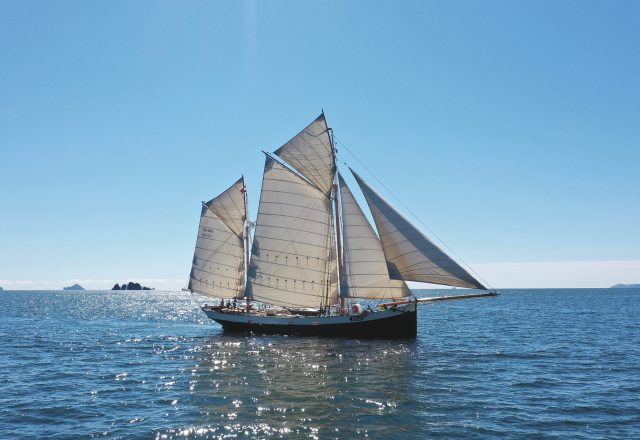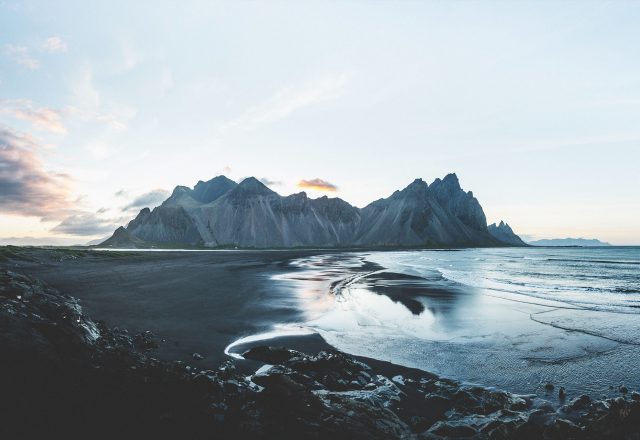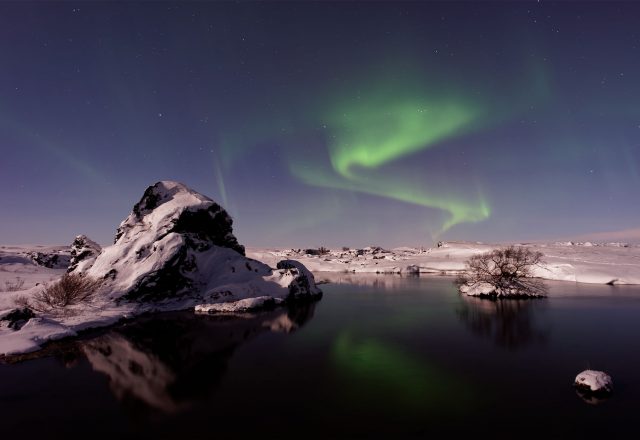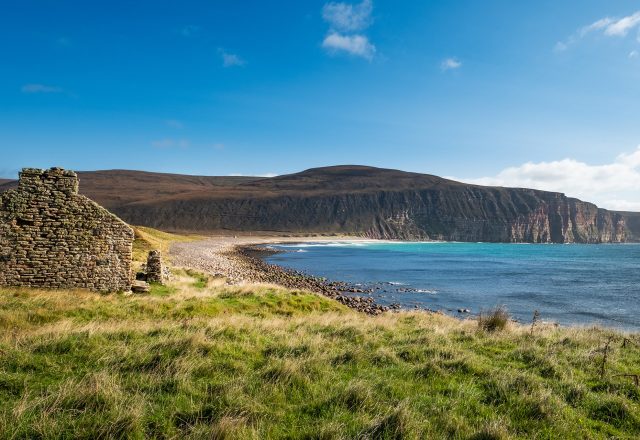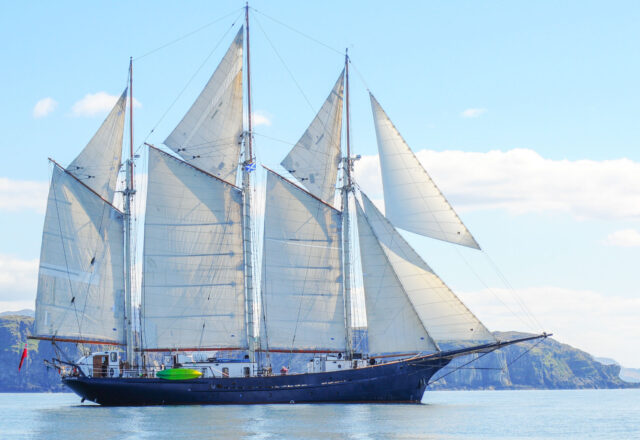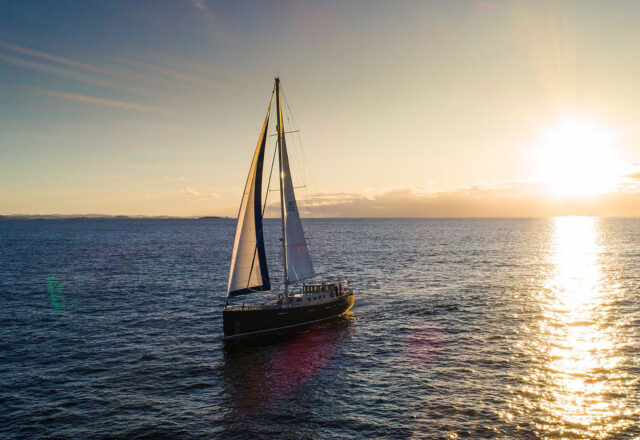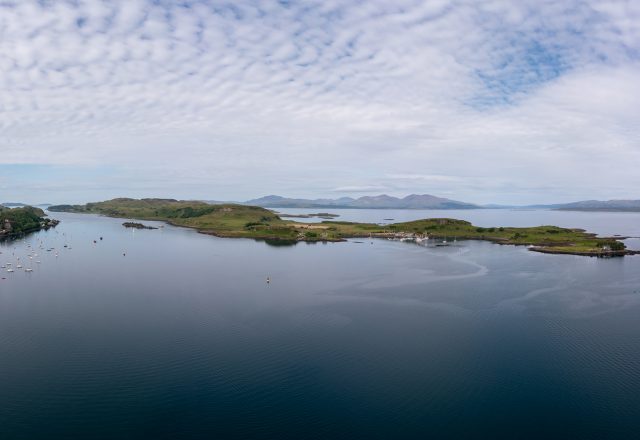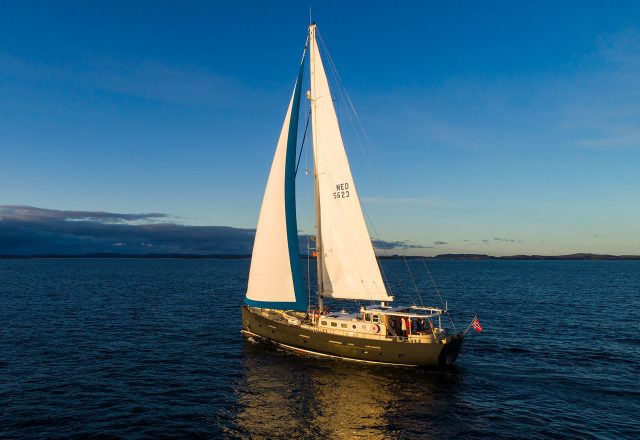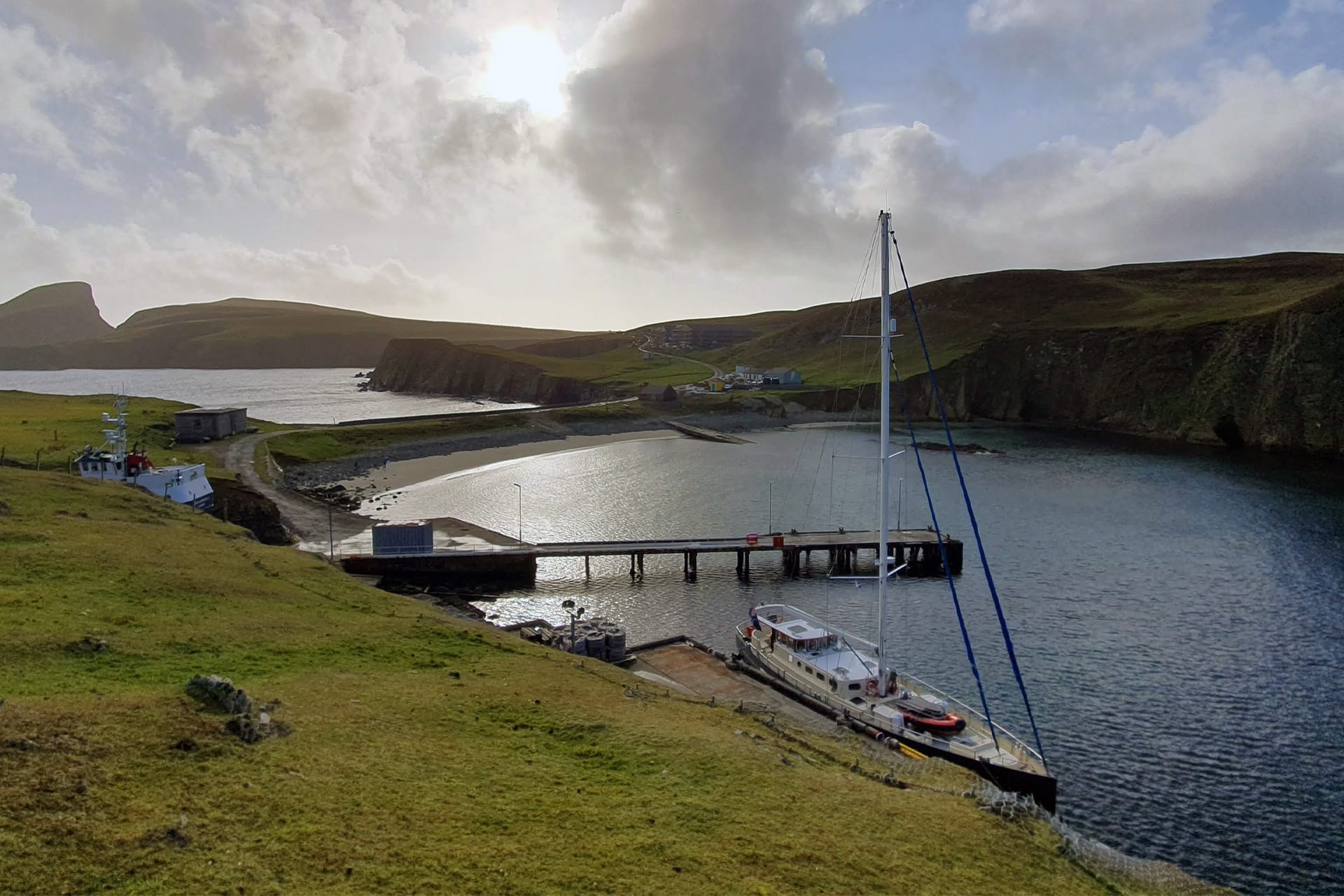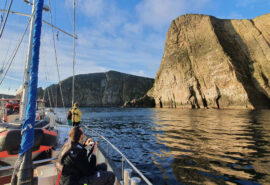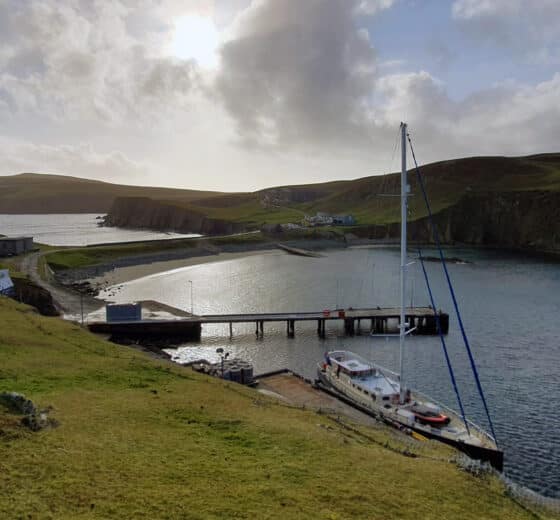
Valiente anchored in Fair Isle, Shetland, Scotland
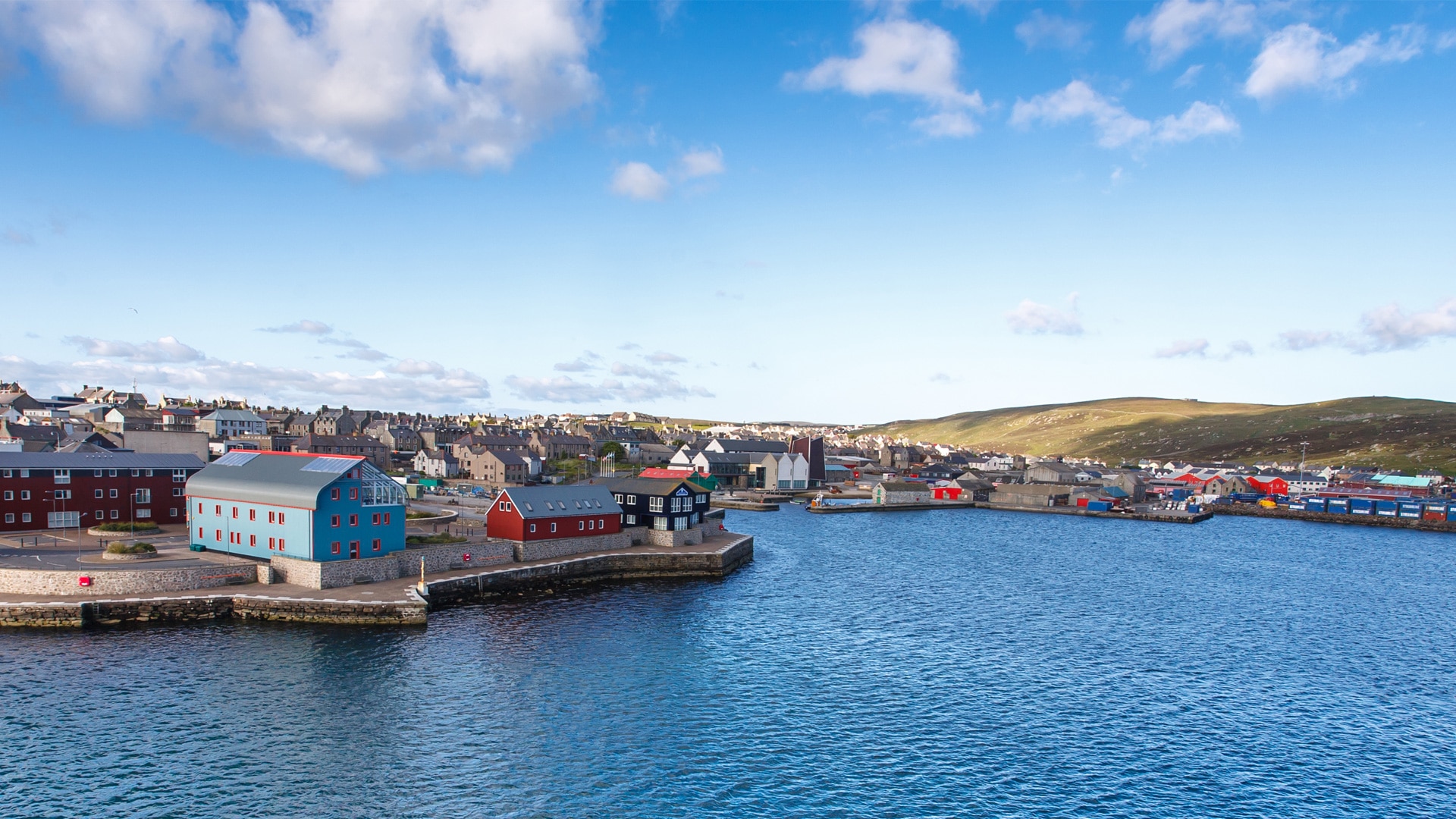
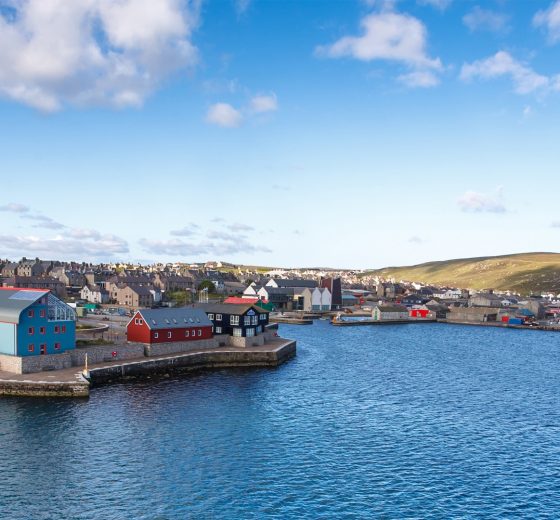
Lerwick-shetland scotland Cherokee
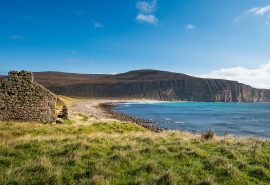
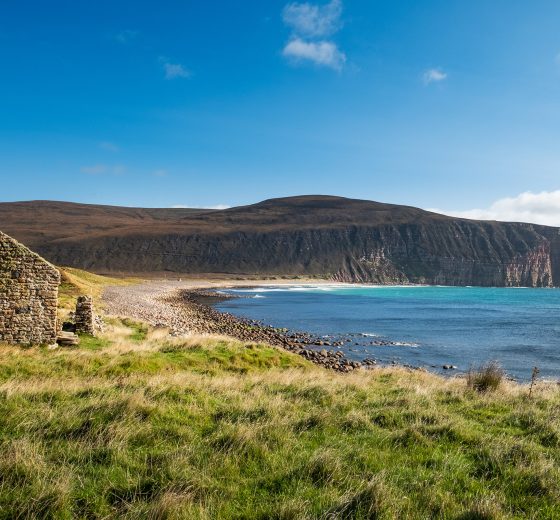
Bessie Leg 6 Orkney Islands
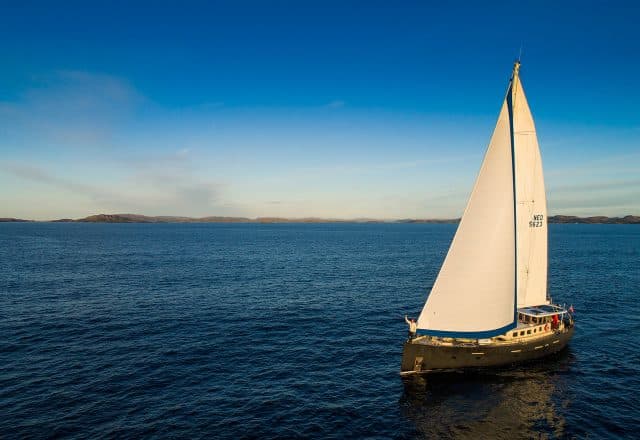
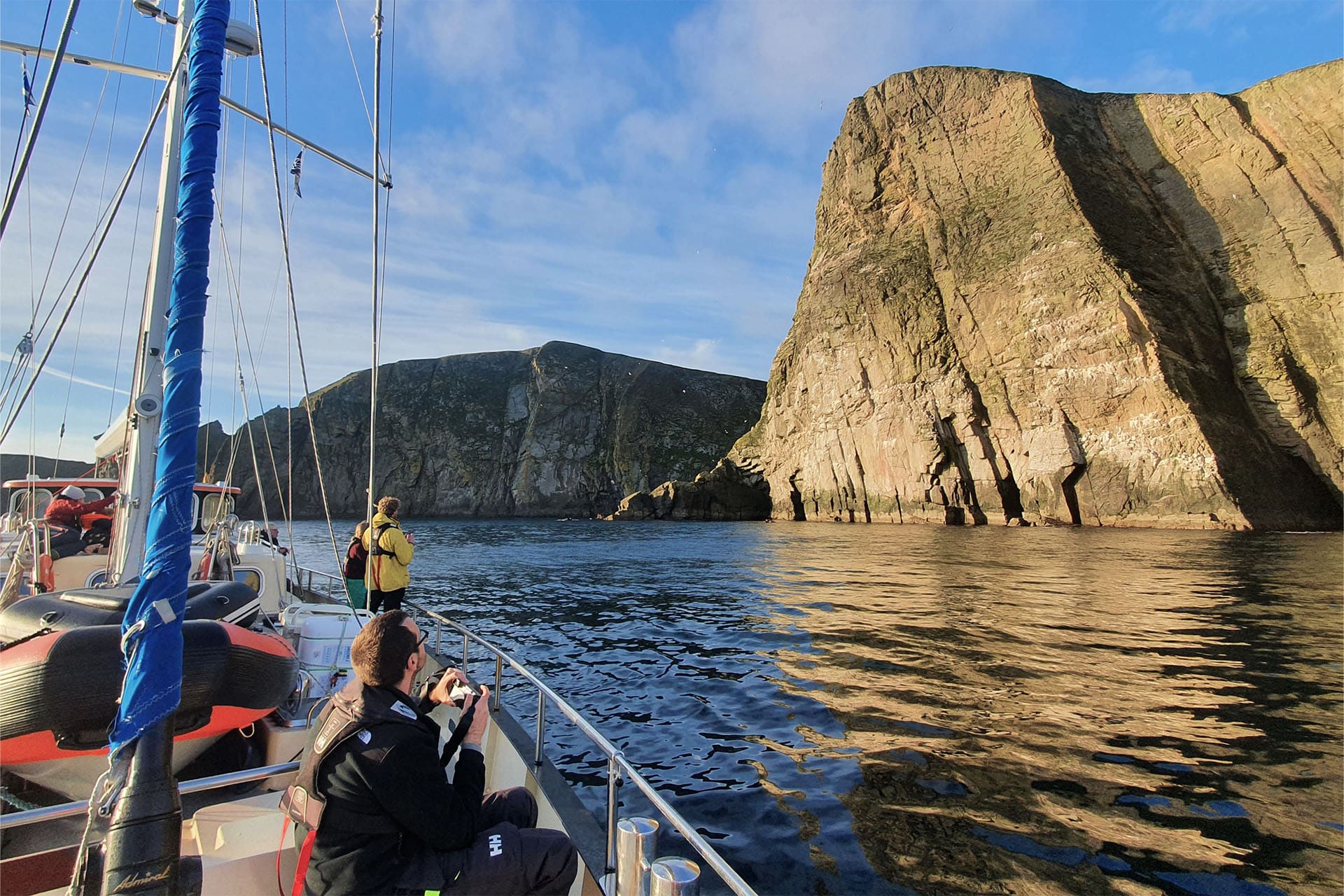
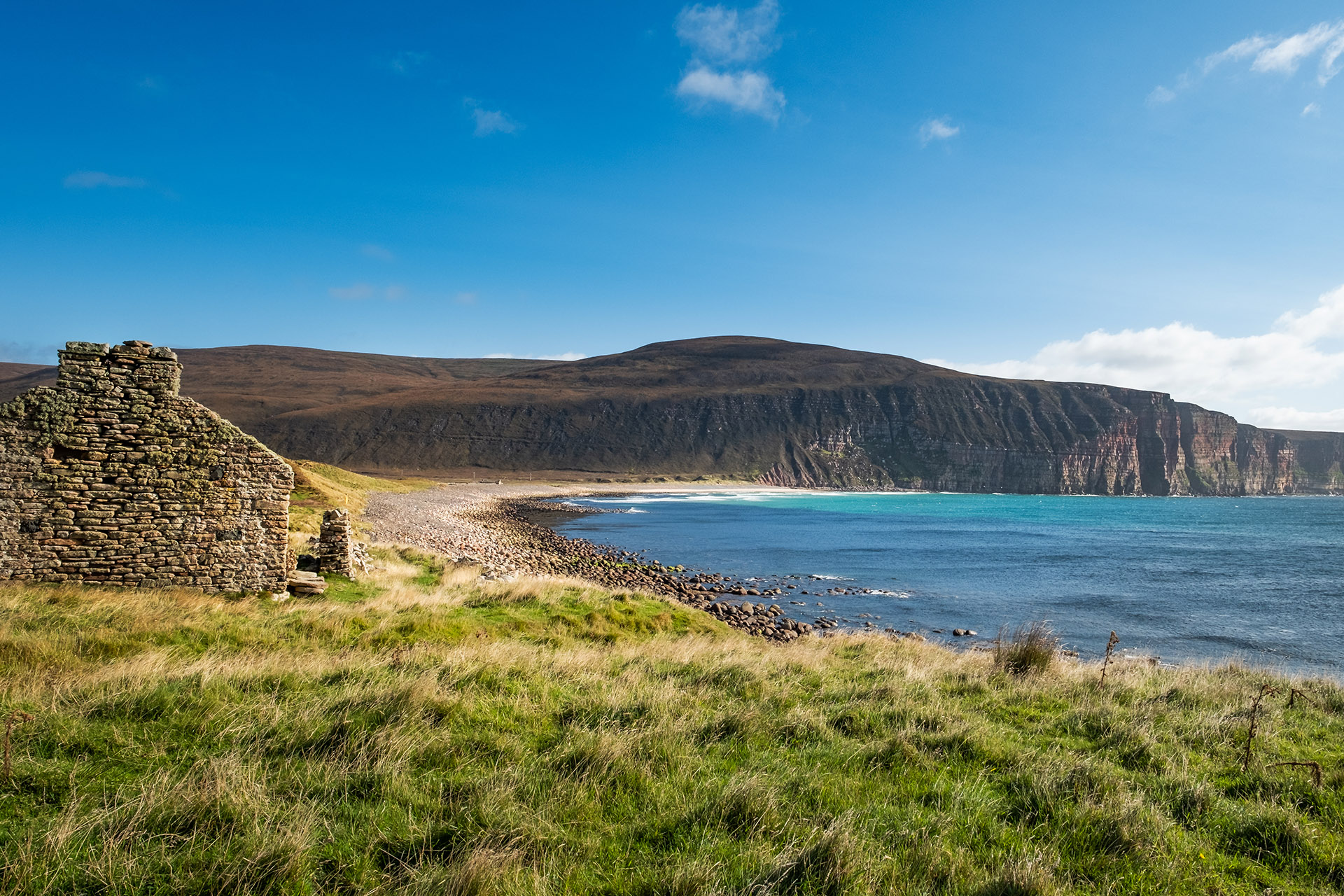
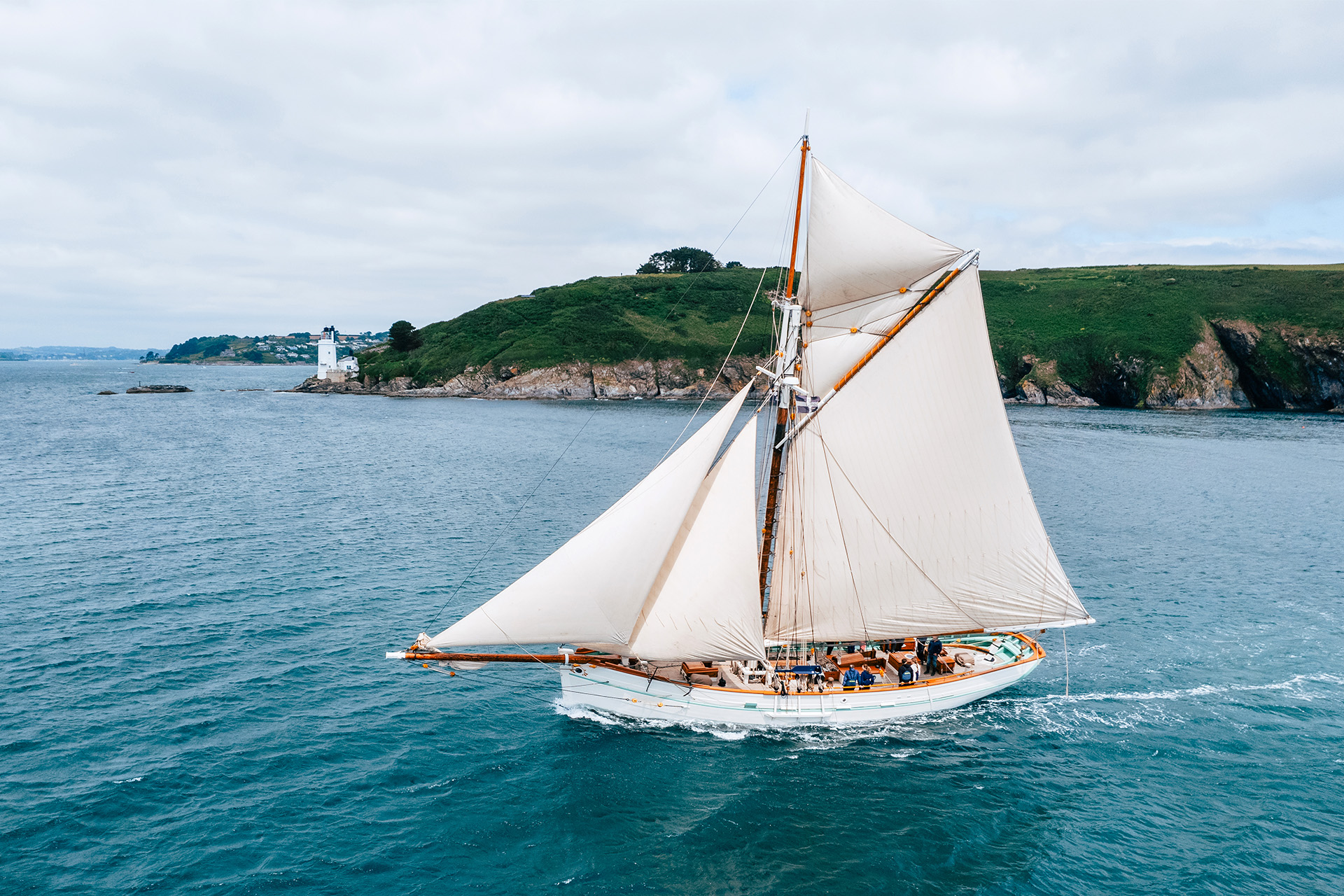
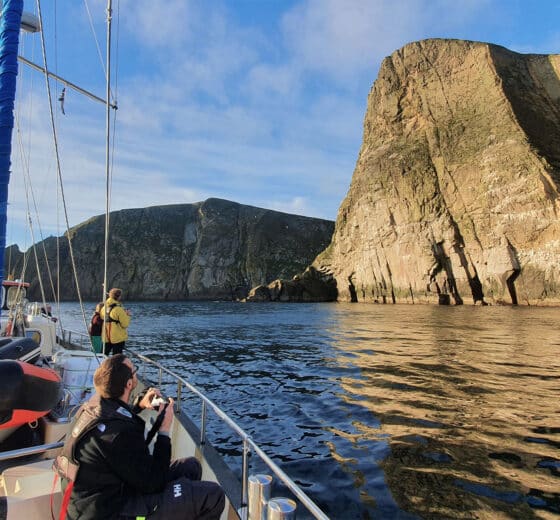
Valiente sailing in Orkney, Scotland
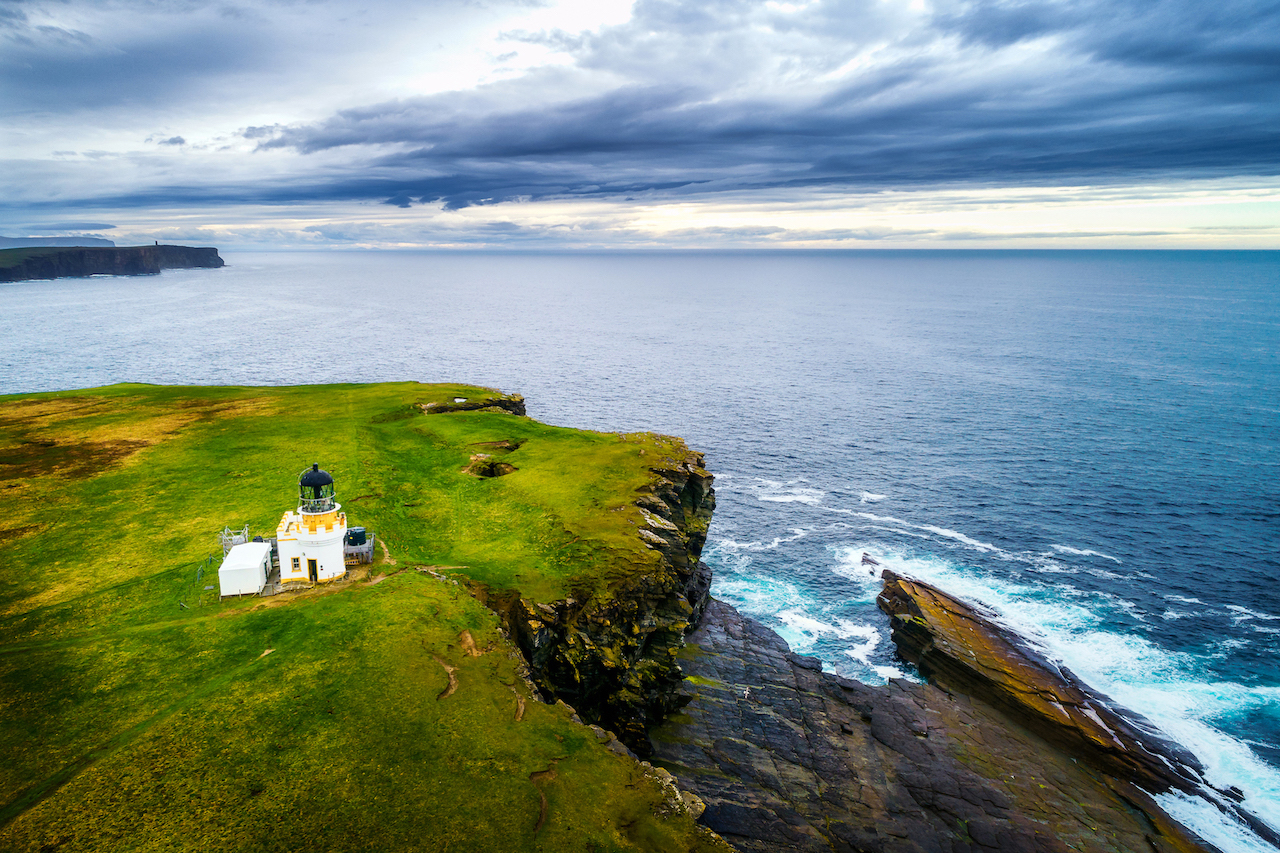
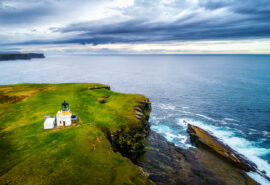
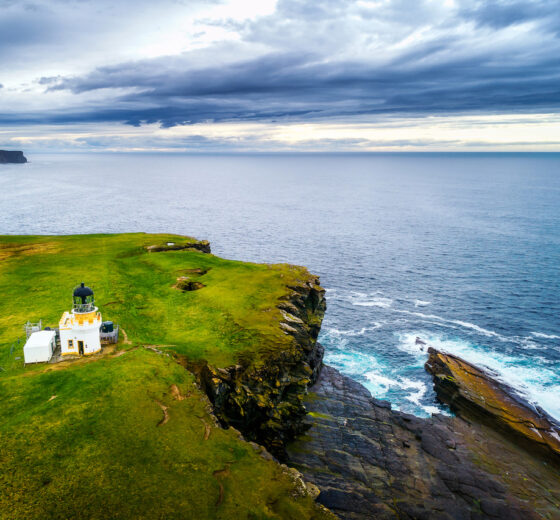
Birsay Lighthouse on Orkney
VIEW GALLERY

Orkney and Shetland

These far-flung archipelagos are the northernmost part of the United Kingdom and form part of the border between the wild Atlantic Ocean and the vast North Sea. As many of them are uninhabited, they provide sanctuary for a diverse range of wildlife and have been described as one of ‘the most beautiful places on earth’.

Sailing Holidays to Orkney

The archipelago of Orkney is a truly special place, located just 20 miles north of the Scottish mainland, across the strait known as the Pentland Firth.

Offering over 5,000 years of history, the islands contain some of the oldest and best-preserved Neolithic sites in Europe, including the “Heart of Neolithic Orkney”, a designated UNESCO World Heritage Site.  Aside from its history, the islands also boast an abundance of marine and bird wildlife, and a sailing holiday to Orkney is the best way to see this stunning part of the world.

The History of Orkney

Humans have inhabited these wild and untamed shores for approximately 8,800 years, and archaeological evidence discovered here dates back to Mesolithic times. During the 8th Century, the islands were used as a base for Scandinavian clans, and visitors here can truly step back in time whilst exploring, imagining what life would have been like here. It’s incredibly rich in historic sites, and the past is tangible wherever you roam, from Vikings to Norsemen and more recently World War I and II, with Scapa Flow playing a pivotal role as the base for the British Home Fleet.

Wildlife in the Orkney Isles

Orkney is a paradise for wildlife enthusiasts. Its coastal cliffs, meadows and moorland habitats are home to numerous species, and what better way to meet the locals than quietly approaching under sail. Visit the plentiful seal colonies at the base of towering sandstone cliffs, observe gannets as they circle high and dive deep for fish. Marvel at the magnificent sea eagles soaring overhead, and delight in the comical puffins that nest along the cliff tops. Lucky sailors may even be treated to an orca sighting – 90% of UK sightings are off Orkney and Shetland. Slightly more common are the beautiful Minke whales, which occasionally grace us with their presence.

>When venturing ashore, keep your eyes out for the elusive otter on sheltered coasts and in lochs. Keen eyes may even spot the island’s large population of hares or even the Orkney vole, which is not found on mainland Britain.

Venture to The Shetlands

The Shetland Isles are almost as close to Norway as they are to Scotland, and unsurprisingly, they have a strong Viking Heritage. Often referred to as the Viking Isles, the Norse people inhabited the archipelago for over 600 years, with their presence still felt today.

Despite their remoteness, the Shetlands are a thriving, close-knit community with a strong local identity. From a lively music scene to plenty of outdoor adventures, the freedom to roam, and exceptional local produce, these beautiful islands have it all. Visitors are warmly welcomed and encouraged to immerse themselves in the local culture.

Things to see in the Shetlands

Comprised of over 100 islands, around 22,000 people call the Shetlands home. However, most of the islands are uninhabited, allowing an abundance of wildlife to inhabit their shores.

The capital, Lerwick, lies 340km from Aberdeen and is only around 370km from Bergen in Norway or Tórshavn in the Faroe Islands. Despite its distance from the mainland, Lerwick is a bustling maritime town with plenty to see and do. Spend some time at the Shetland Museum, which unravels the fascinating history and culture of the Shetlands. Visit the 17th-century Fort Charlotte, built to defend the islands from Dutch and French warships, or head to Clickimin Broch, an Iron Age stone-built round house unique to Scotland.

Slightly further afield lies Scalloway, the island’s ancient capital, home to Scalloway Castle, or discover the untamed north-west coast, where you can take bracing walks along the wild coastline.

For utterly sensational scenery and wildlife, take some time to visit Hermaness National Nature Reserve on Unst, the most northerly island in Britain.

Wildlife in the Shetlands

Entirely shaped by the sea, there are over 1700 miles of coastline to explore, which is ideal when you’re travelling under sail. The waters here are incredibly rich in nutrients, which has seen the Shetlands become one of the best places in Britain to watch sea mammals. Common seals, grey seals, otters, harbour porpoises, humpback whales, and orcas are all known to frequent the waters here, so keeping binoculars to hand while sailing is an absolute must.

The Shetlands also have an unrivalled reputation for bird watching, with twitchers travelling from across the globe to view the seabird colonies here. Sightings of puffins, gannets, guillemots, fulmars and kittiwakes are highly likely, particularly during the season.

Whilst on land, you can be sure to enjoy sightings of the famous Shetland ponies as they roam freely, gazing along the roadside or dotting the heather-clad hills.

The Eternal Summer Sun

Locally referred to as ‘da simmer dim’, the sun never truly sets in Shetland during the mid-summer. When it does briefly dip towards the ocean, it creates an ethereal glow, which is known as the ‘da simmer dim’. Described as ‘a milky light that makes the landscape sheen’, it hangs across the islands before the sun rises once again, signalling the start of a new day. It’s truly a spectacular sight from the deck of a boat.