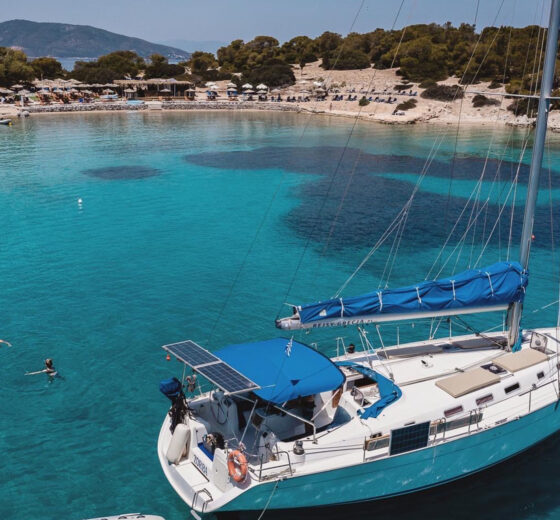
sailing in the Saronic Islands
Featured Sailing Holidays
Catamaran Holidays in Greece: Saronic Islands Sailing
Skippered Sailing Holiday in Greece; Saronic Island Exploring
Catamaran Holidays in Greece: Saronic Islands Sailing
Skippered Sailing Holiday in Greece; Saronic Island Exploring
Catamaran Holidays in Greece: Saronic Islands Sailing
Skippered Sailing Holiday in Greece; Saronic Island Exploring
Catamaran Holidays in Greece: Saronic Islands Sailing
With excellent sailing conditions and an abundance of historical sites, the Saronic Islands are the perfect mix of leisure and culture.
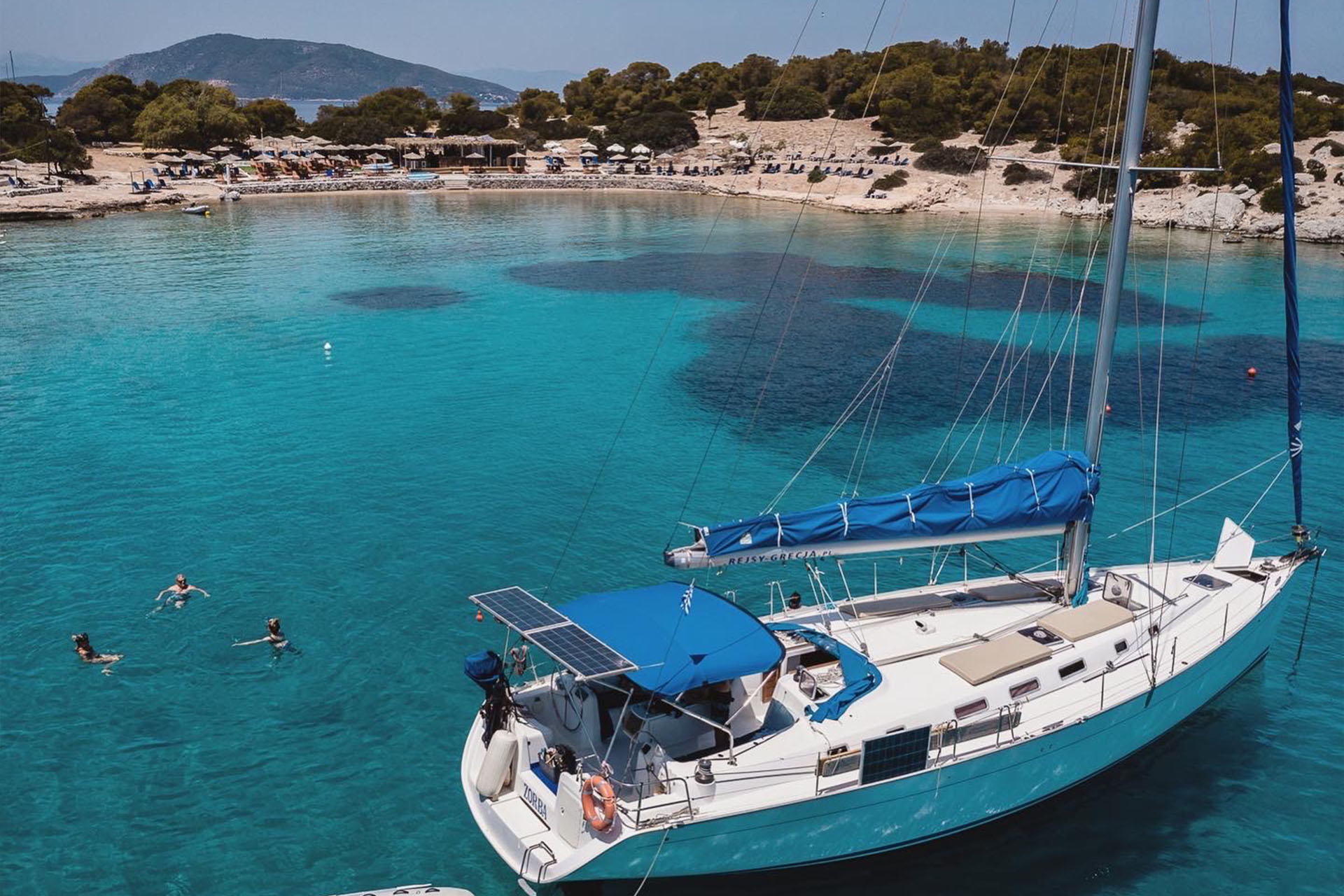
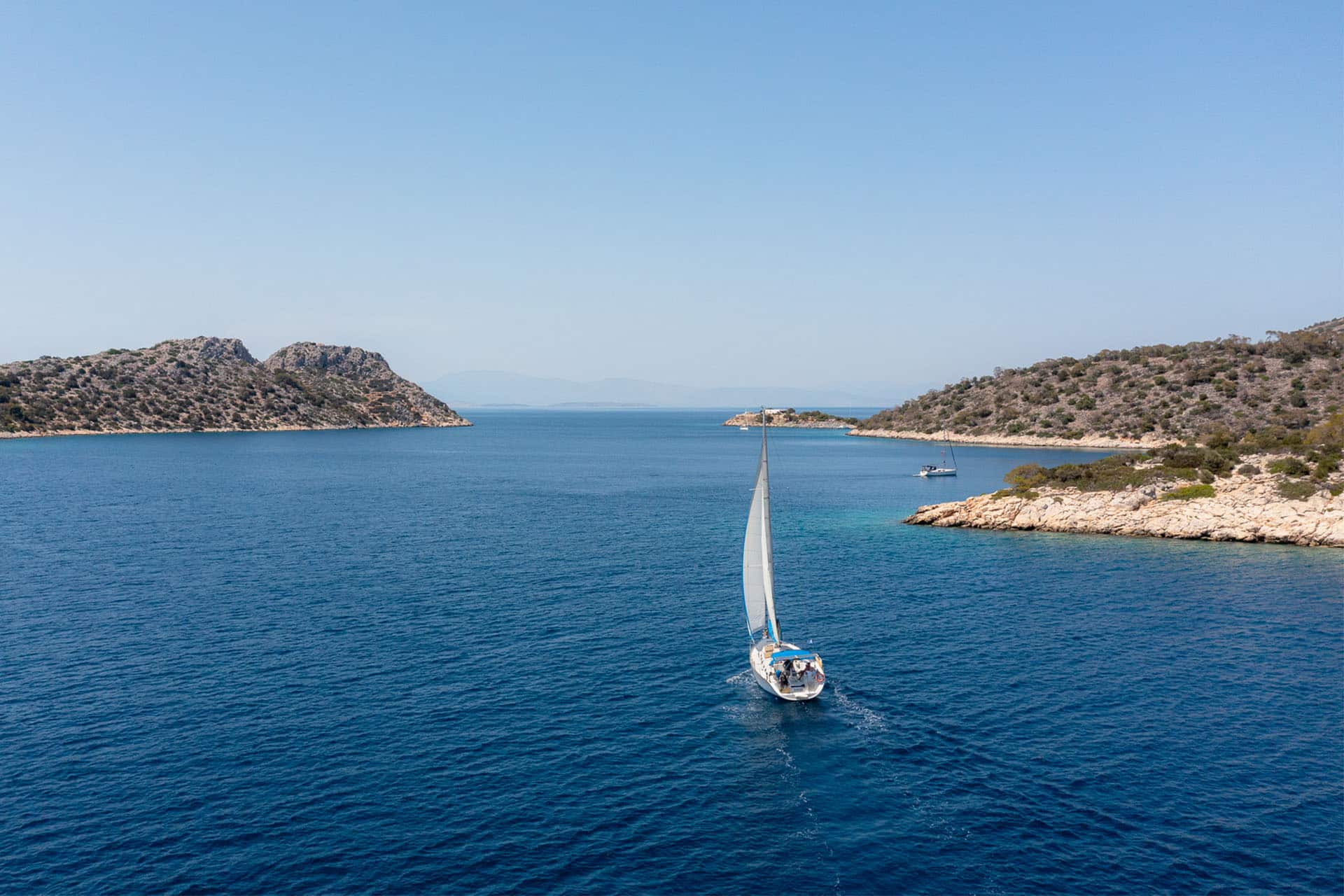
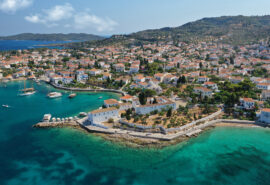
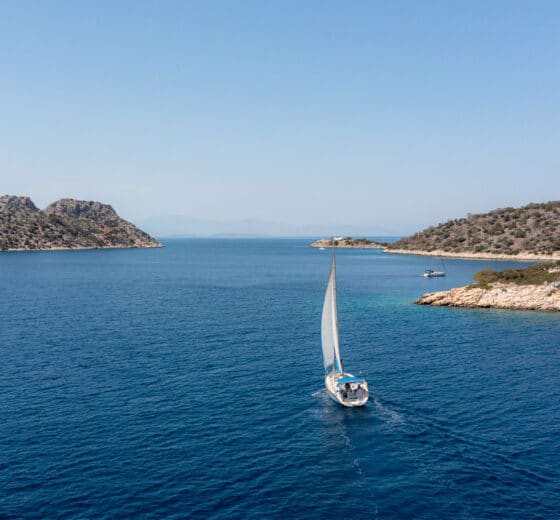
These picturesque islands each hold a lure of their own, and sailing here is simply the best way to travel. From the car-free streets of Hydra to the bougainvillaea-lined cobbles of Spetses and Aegina, every moment will be filled with breathtaking beauty as you sail the Saronic Gulf. The sailing experience is enhanced by the calm waters, moderate winds, and the opportunity to anchor in secluded coves.
Where are the Saronic Islands?
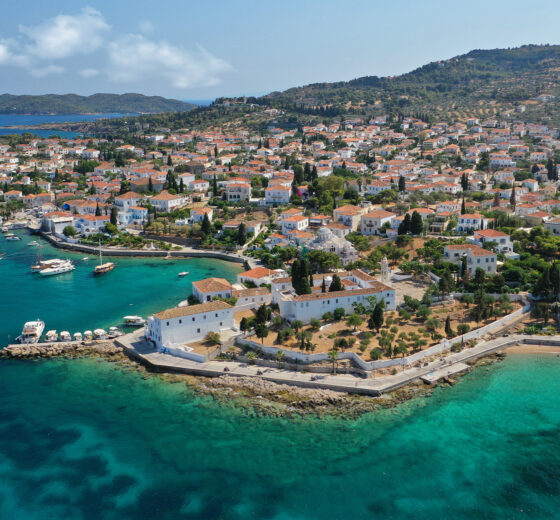
Nestled in the waters to the south of Athens and east of the Pelopponese peninsula, the Saronic Islands are the closest Greek archipelago to the capital city.
Hugged by the Saronic Gulf, part of the Aegean Sea, there are seven main islands – Aegina, Agistri, Dokos, Hydra, Poros, Salamina, and Spetses. Celebrated for their sun-drenched beaches, bright turquoise waters and ancient history, the Saronic Islands are paradise.
Why visit the Saronic Islands?
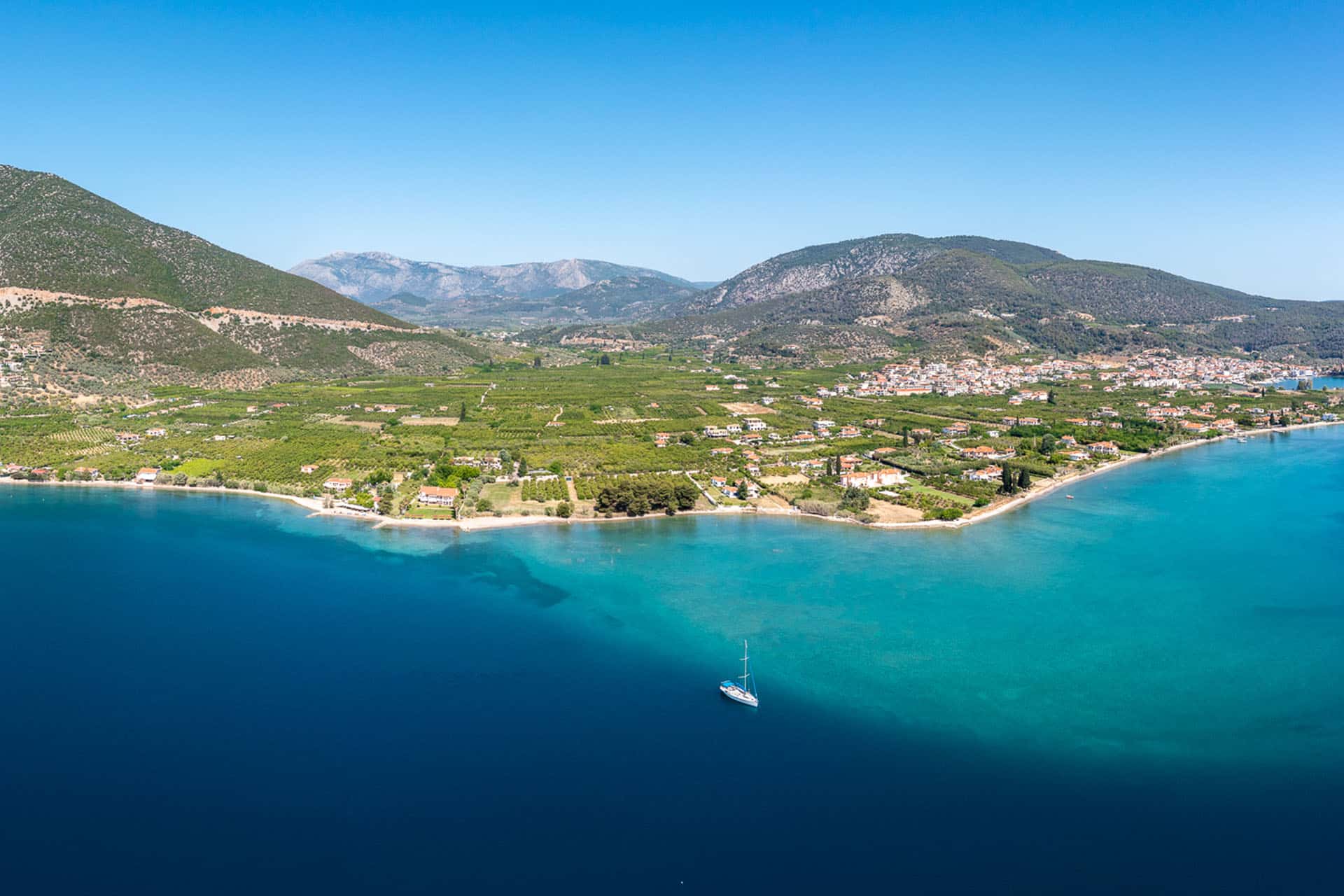
Surrounded by calm waters, the Saronic Islands offer a lusher, milder landscape than the more arid Cyclades. The villages, retaining a traditional Greek feel, are peaceful and quiet, scented by pines, lemon and olive groves, offering a serene escape.
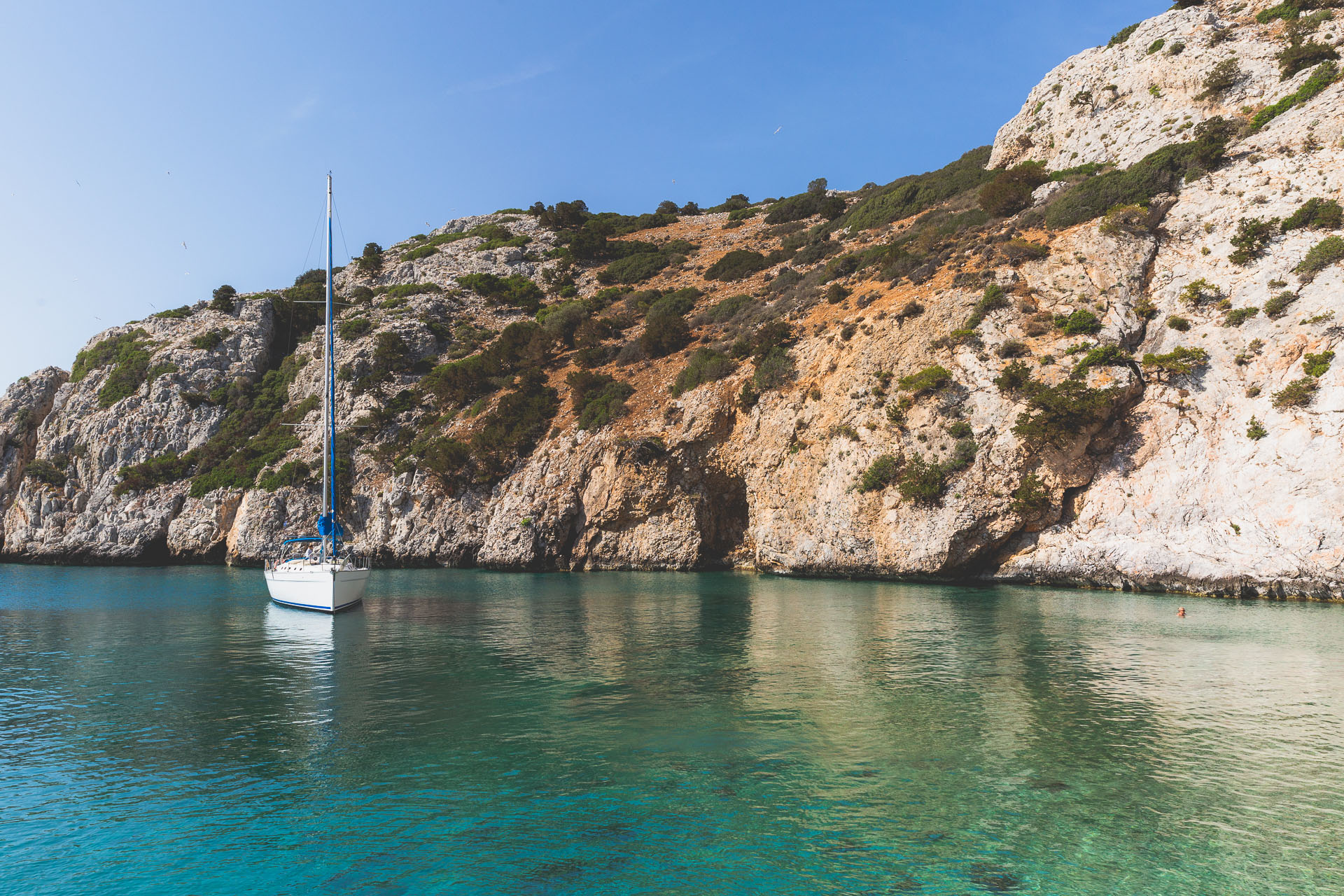
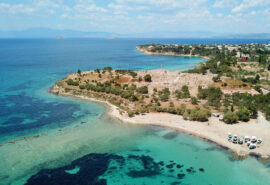
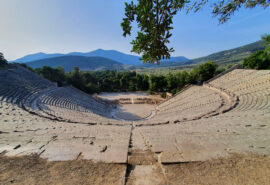
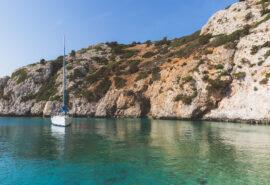
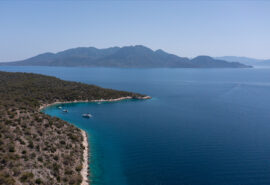
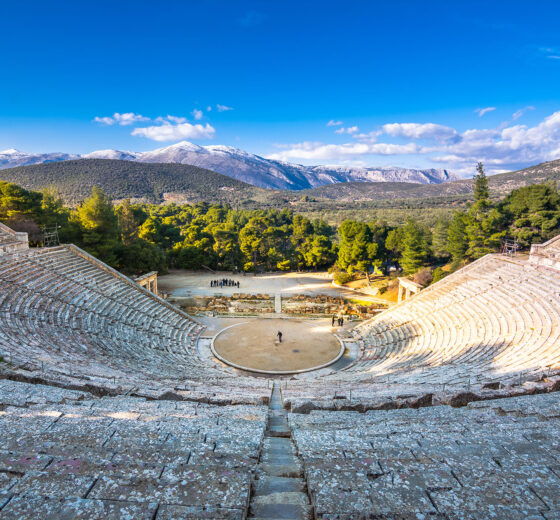
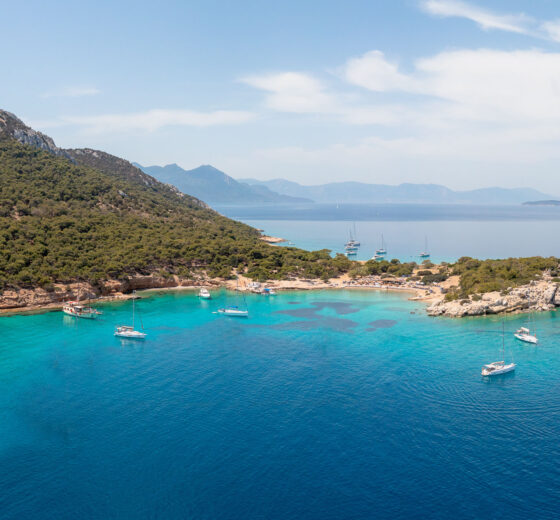
There are countless secluded coves to while away an afternoon on, as well as a plethora of ancient historic sites to discover.
The largest of the Saronics is Salamina, yet it is generally the least popular, likely because of its proximity to Piraeus. However, it is still worth spending time here, visiting the ancient site of Kolonos or the Cave of Euripides, which is believed to have been used since the Neolithic period (5300-4300 BC).
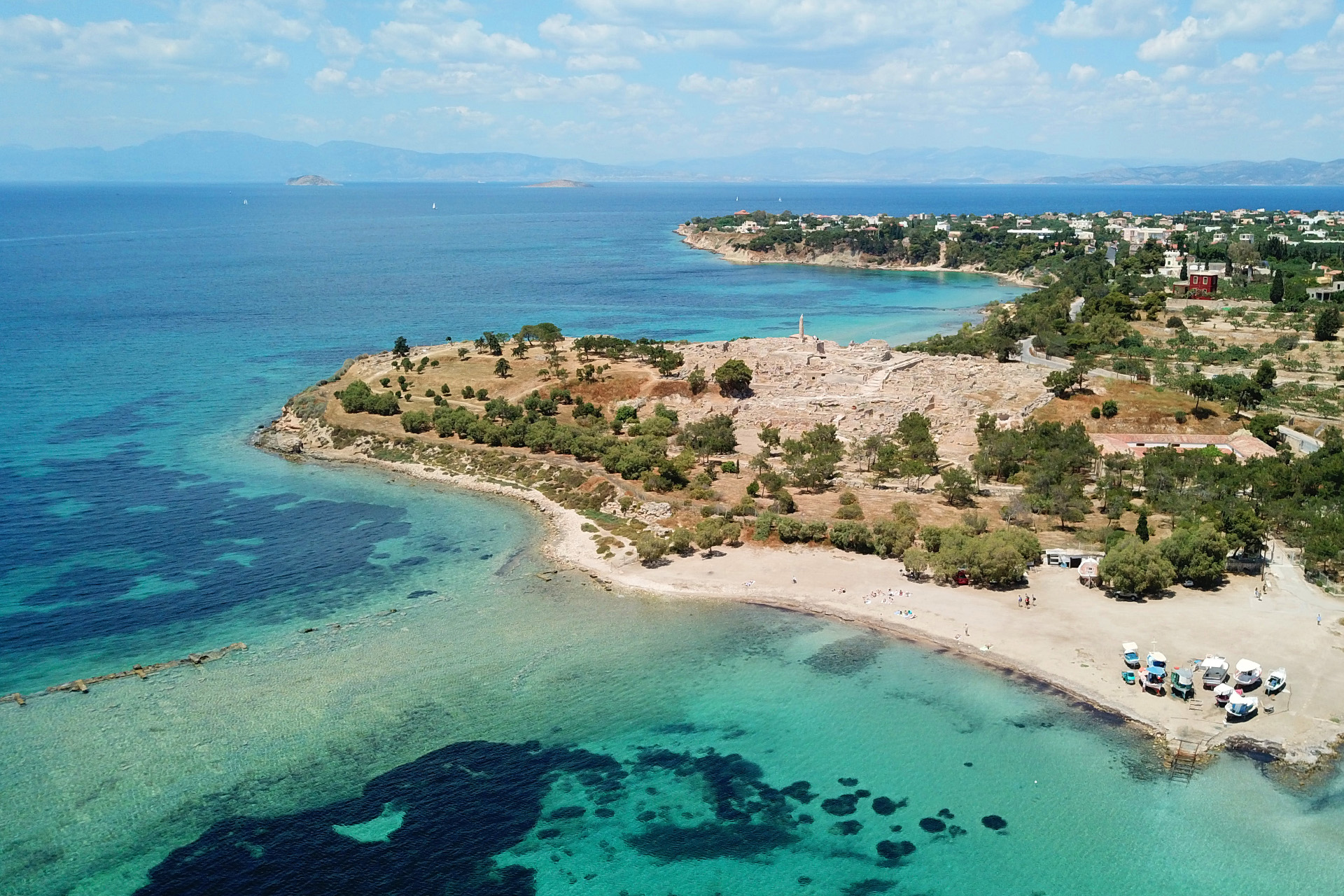
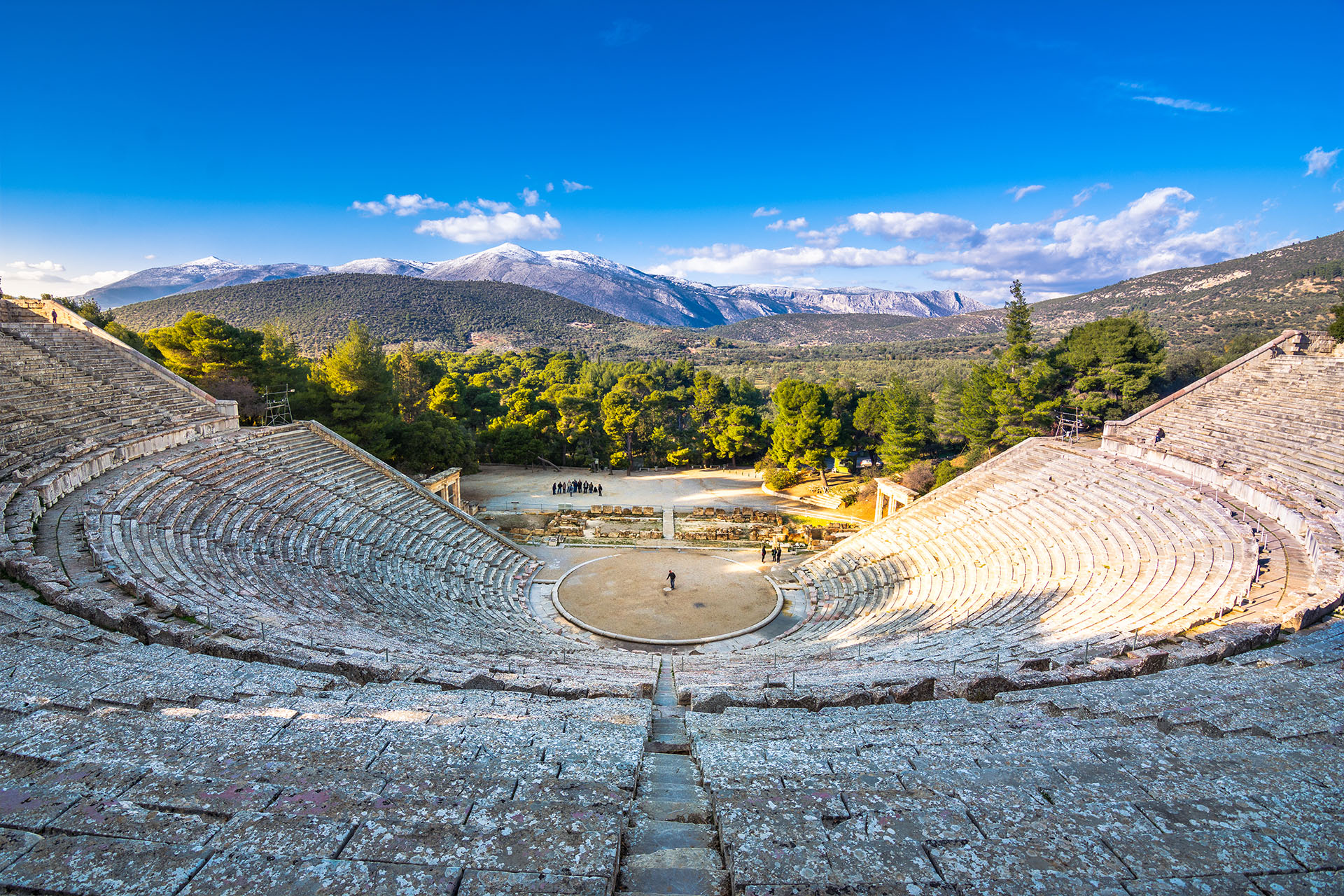
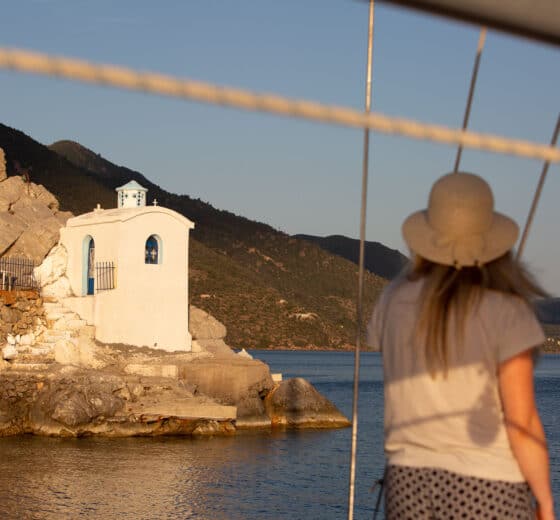
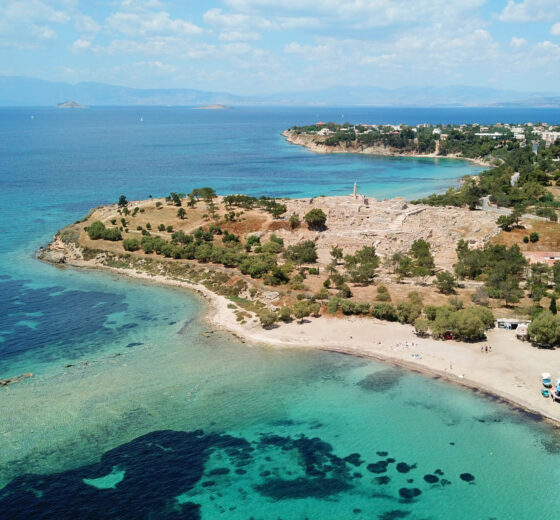
Aegina is the second-largest island, famed for the Temple of Aphaia, built around 500-409 BC, as well as the impressive monastery of Agios Nektarios and a host of Byzantine churches. The Temple of Aphaia is particularly notable because, along with the Temple of Hephaestus in Athens and the Temple of Poseidon in Sounion, it forms an isosceles triangle on the map. For the perfect snap, photographers should head to the blue-domed Church of Agioi Anargyroi, located next to the beach of Skala.
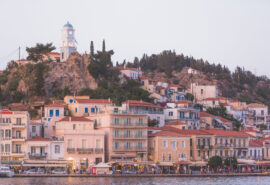
If you’re seeking the perfect off-grid getaway, then visit Hydra, where no motorised vehicles are allowed. An island of artists, expect a heady mix of rich history, incredible architecture, and a quiet, unassuming natural setting.
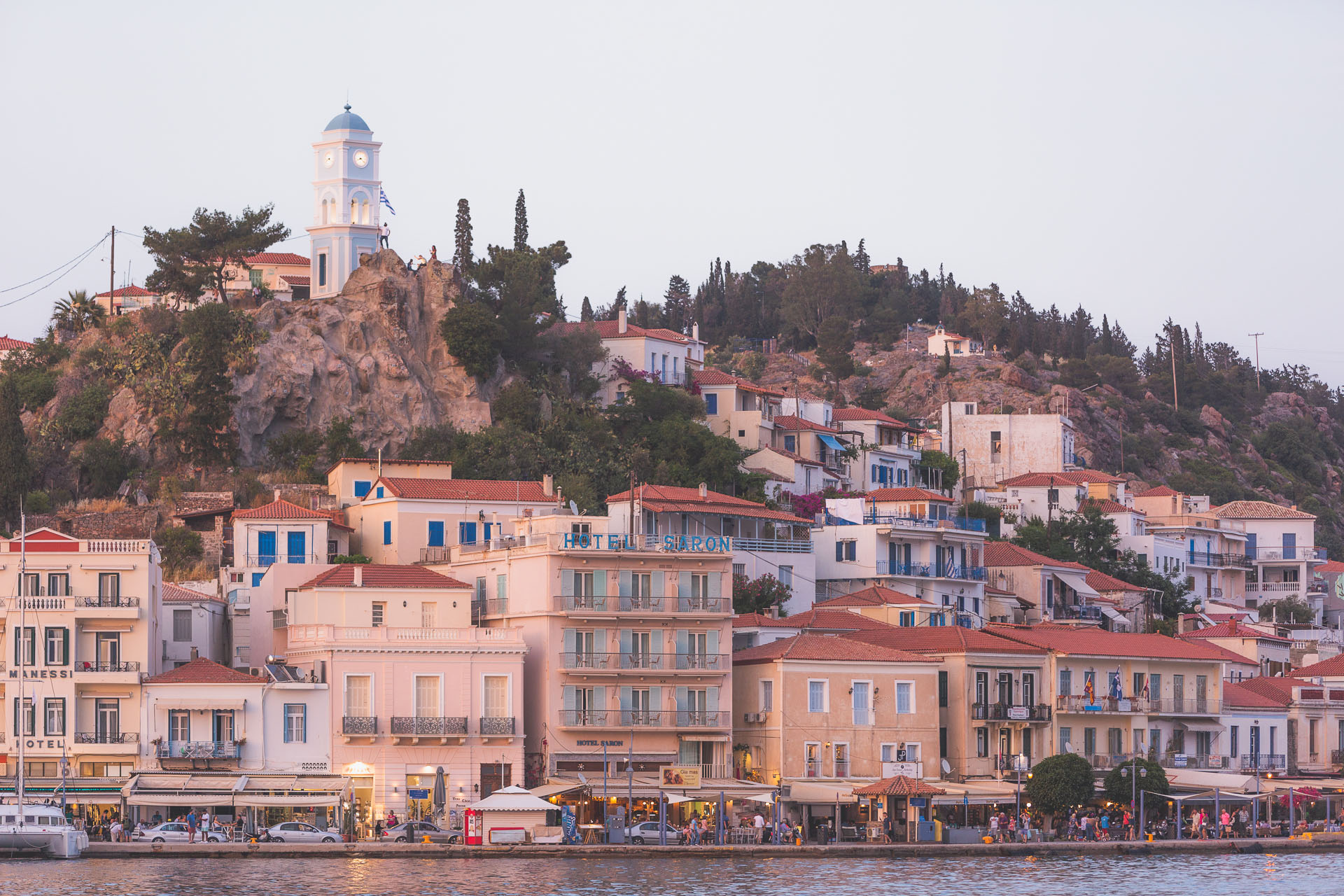
Pretty Poros is a bustling day trip destination with day-trippers regularly frequenting Poros town. Experience panoramic views from the Roloi Tower or venture into less crowded areas to enjoy uninhabited landscapes lined with olive groves and vines.
Agistri is a smaller island renowned for its picturesque rocky beaches with crystal-clear waters. Hire a bike to explore on two wheels, visit the Lekani lake wetland or snorkel at the magical Aponnisos beach.
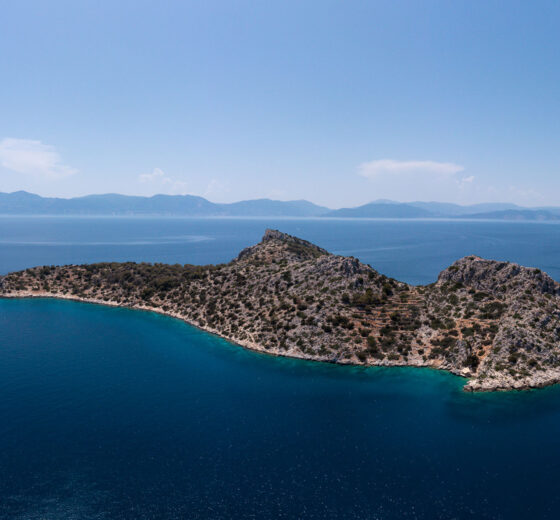
Small and rocky, Dokos differs wildly from the other Saronics thanks to its drier, arid landscape. There are only around 18 permanent inhabitants due to low water reserves and infertile soil. Yet this lack of infrastructure makes it a haven for wildlife, and it has been designated a Landscape of Special Natural Beauty.
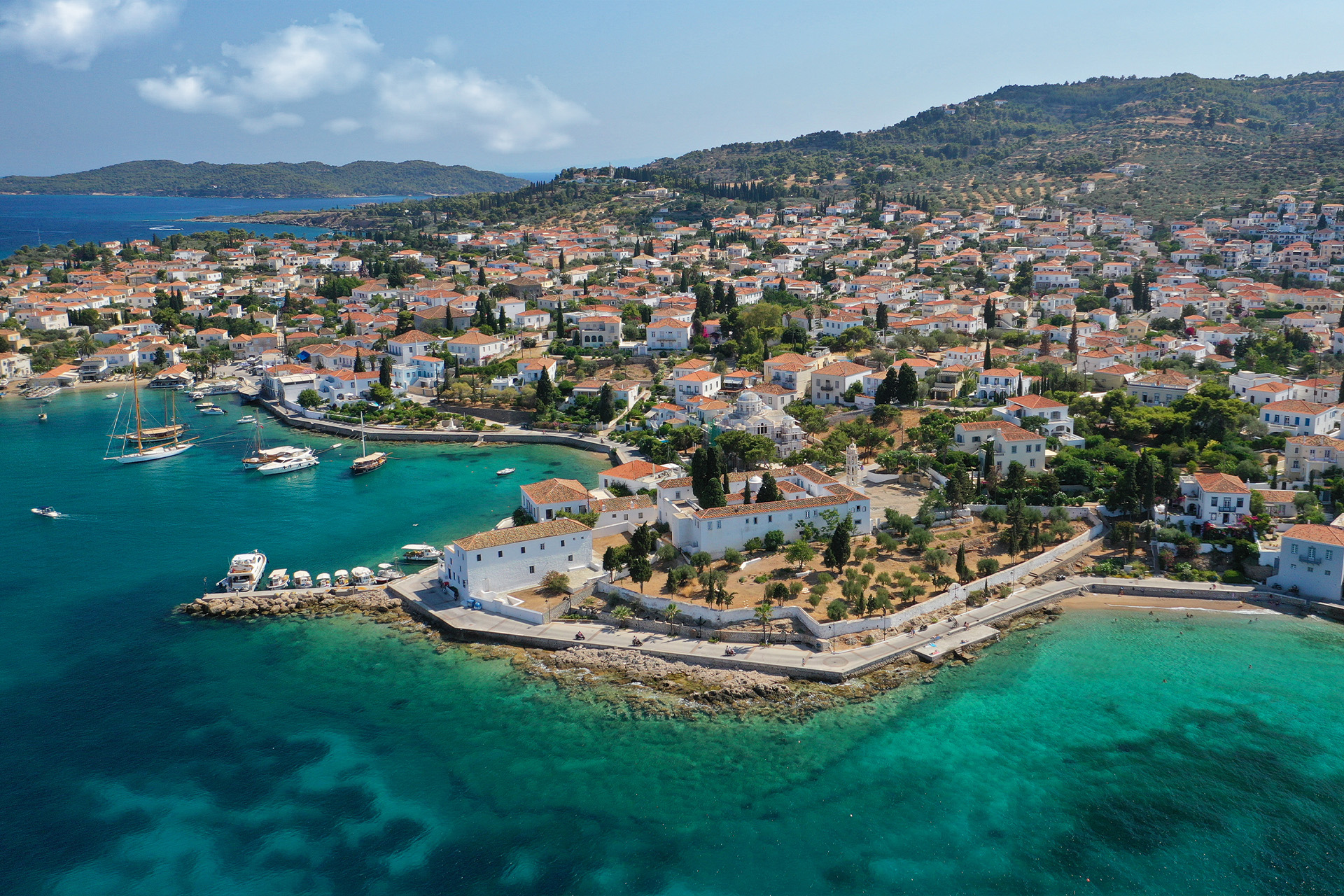
Spetses is the most remote of the Saronic Islands, with a rich naval history, having made a significant contribution to the Greek War of Independence in 1821. As with Hydra, there are no cars, but mopeds and bikes are readily available, making it easy to get around.
Wildlife in the Saronic Islands
The Saronic Gulf is home to a surprising array of wildlife, with its beauty above the water equally reflected below.
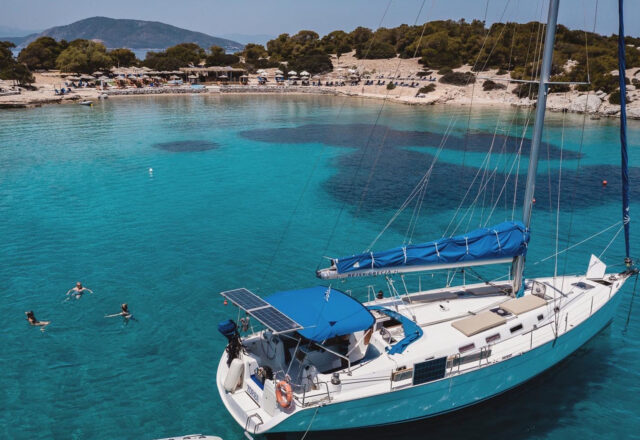
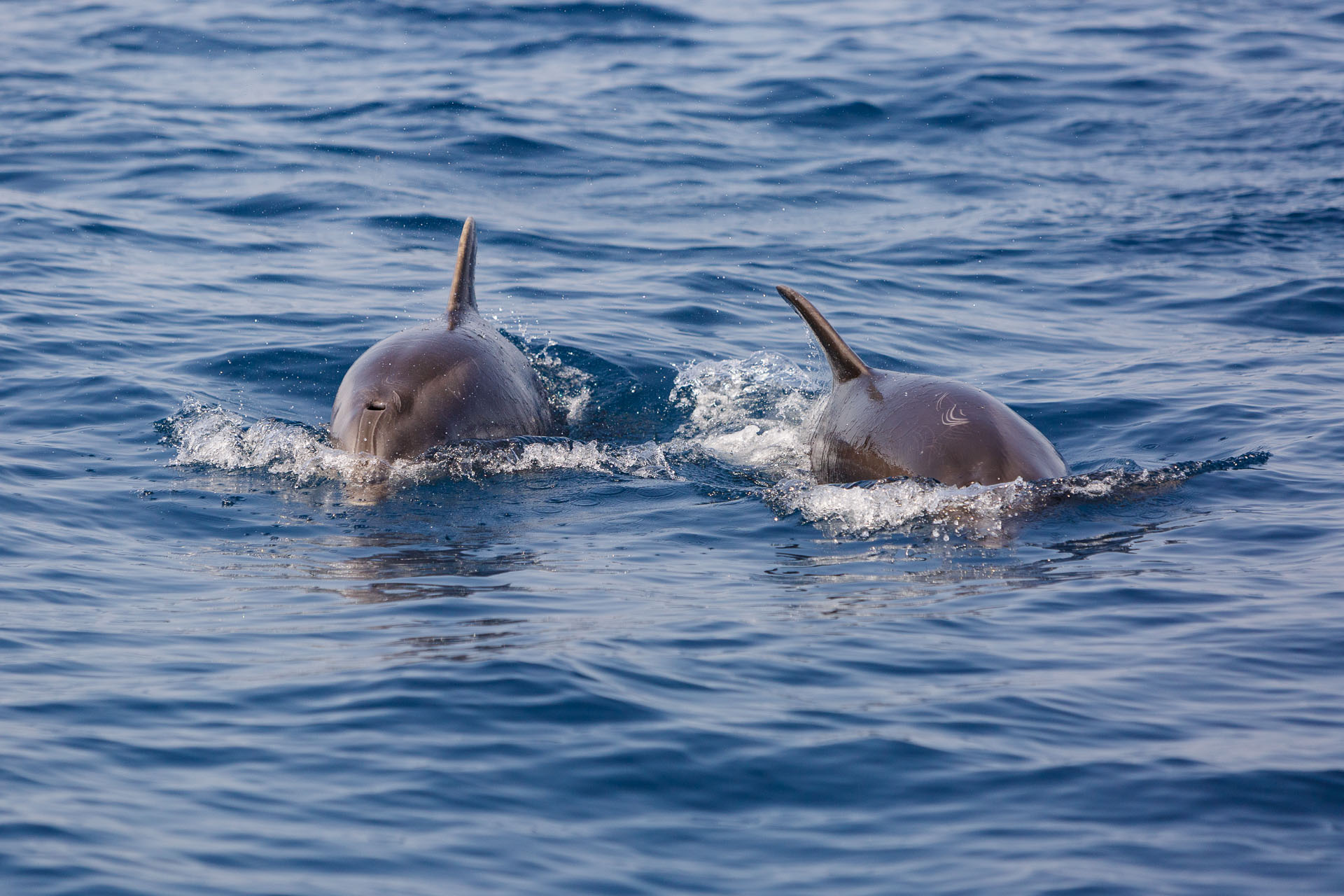
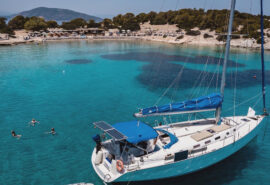
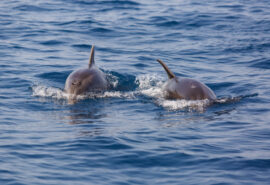
Whilst at sea, be alert for dolphins and turtles. Snorkel off the boat to discover an underwater world filled with colourful fish, octopus, cuttlefish and seagrass meadows.
The islands themselves are a sanctuary for a diverse range of wildlife, including hares, hedgehogs, bats, free-roaming deer, geckos, snakes, goats, and tortoises. Visitors are also likely to spot several donkeys during their travels, as these sturdy animals are used for transport, particularly on the car-free islands of Hydra and Spetses, adding an element of adventure to your trip.
Sailing Conditions in the Saronic Islands
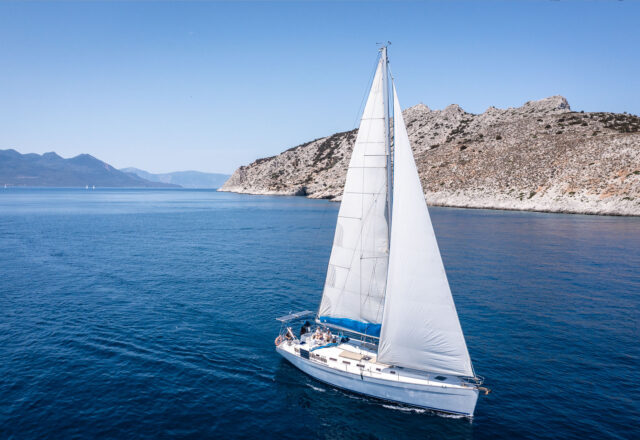
The sheltered Saronic Islands offer excellent sailing conditions with calm waters and long, warm days. Breezes here are moderate, picking up in the afternoon, the further you sail from land. During the main summer months, temperatures on land can reach over 30 degrees, but it is cooler on the water, meaning your sailing holiday is more pleasant.